People are paying more attention to what’s being tracked about them online and the old habit of letting companies follow you from site to site is starting to fade. Third-party cookies used to do most of that tracking work in the background; from collecting your browsing history, searches, clicks and even where you were located.
New privacy laws, browsers cutting off old tracking methods, and people paying closer attention to what’s happening with their data, that system just doesn’t work the way it once did. Marketers still need to figure out how people move online and what drives their decisions, but the playbook is shifting. That’s where zero-party data come into play and it raises its own set of questions.
Why eliminate third party cookies?
As the digital space grew so did third party cookies. They were in the background tracking how people moved around and passed that information straight into advertising systems. Over time, people started asking obvious questions:
- What exactly is being collected?
- Why is it hidden?
- Who gets access to it?
With privacy laws like GDPR in the UK, Privacy Laws in California, browser blocks from Safari, Firefox, and Edge and rising user frustration, the writing is on the wall. Most of the internet is moving away from this kind of tracking.
Google is the slowest to let go because its entire advertising model depends on this data. Removing cookies has real financial consequences for them. So for now, they are stalling while everyone else moves on.
How will information be gathered now?
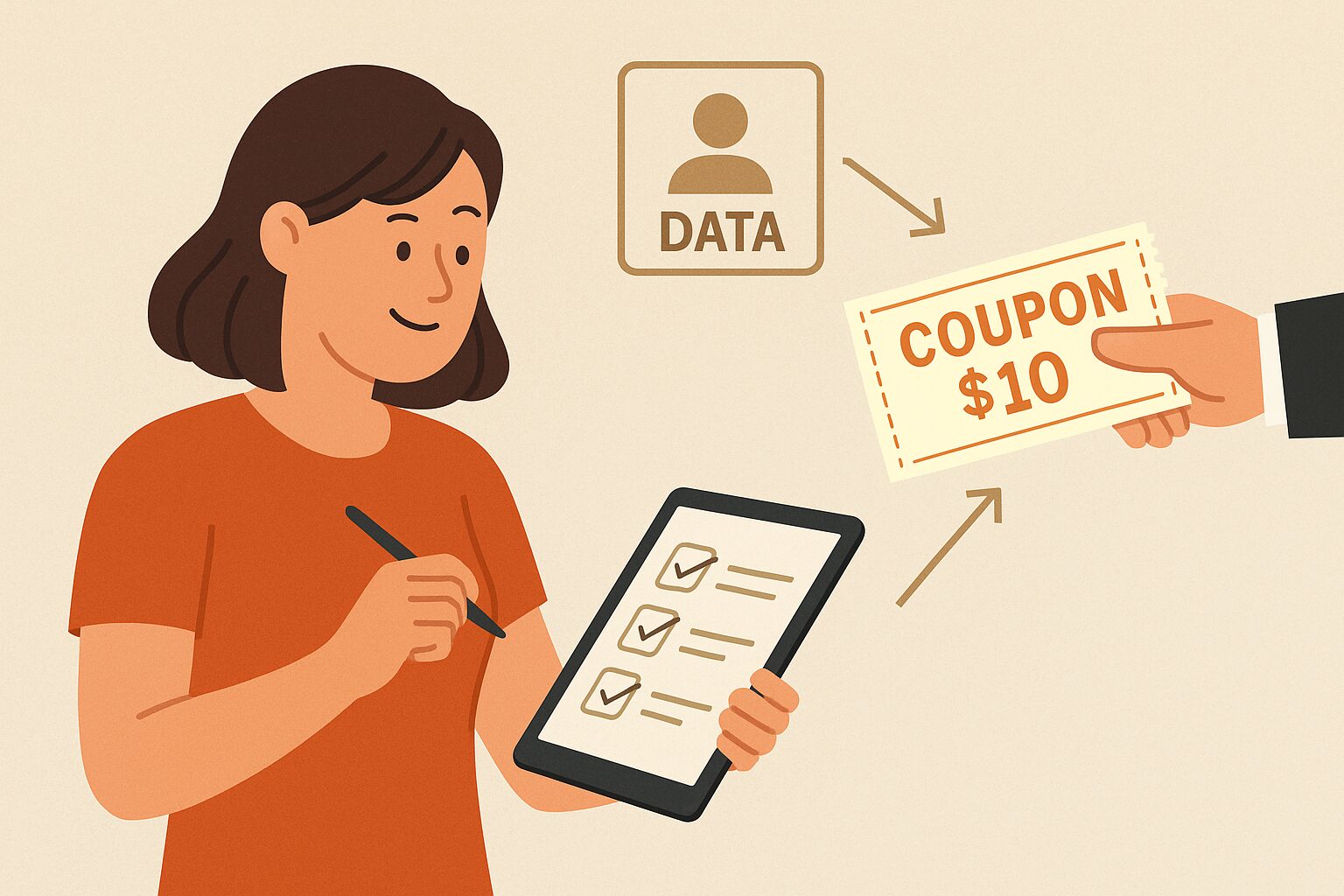
With cookies being phased out you now have to go directly to the source to gather information. This is where Zero-party data comes in at. Zero Party data is information you choose to give a brand. This information is gathered through surveys, preference quizzes, feedback forms or questions about what you like or what needs improvement; it’s 100% volunteered information from the source and it helps companies build a cleaner picture of what customers want.
It also works fast. With AI analyzing responses in real time, companies can catch issues early, like a bug on a website or a confusing checkout flow. Unlike a once-a-year focus group, these micro-questions give continuous insight.
But there are trade-offs:
- People might rush through a survey just to get a coupon.
- Some won’t tell the truth at all.
- The data isn’t always representative of every user.
While zero-party data is transparent, the accuracy depends heavily on how honest people feel like being that day.
Surprise: AI can still build a profile of you
Here is the part many users don’t realize even if third-party cookies disappear, AI systems can still build a detailed profile of you based on how often you use AI tools and what you use them for.
Every prompt, every question, every search pattern becomes part of a behavioral picture and because AI is integrated everywhere phones, apps, medical tools, legal tools that picture gets larger and more refined over time.
In some ways your AI usage may become more revealing than cookie tracking ever was and once companies figure out how to profit from these AI-built personas, the data economy will shift again.
This is not about fear but more so about awareness. If you are concerned about privacy, you need to understand not only what you click, but also what you type into AI systems and how often you use them.
Now what?
We are in a in a transition period from third-party cookies to zero-party data and final stop will be AI building the next layer of user profiles. If you care about privacy, don’t just focus on what is being taken from you. Pay attention to what you are giving away and how often you give it.
_________________________________________________________________________________________________________________________
Shaunta Garth is a Strategic Communications & Visibility Architect specializing in digital storytelling, media strategy and public affairs.