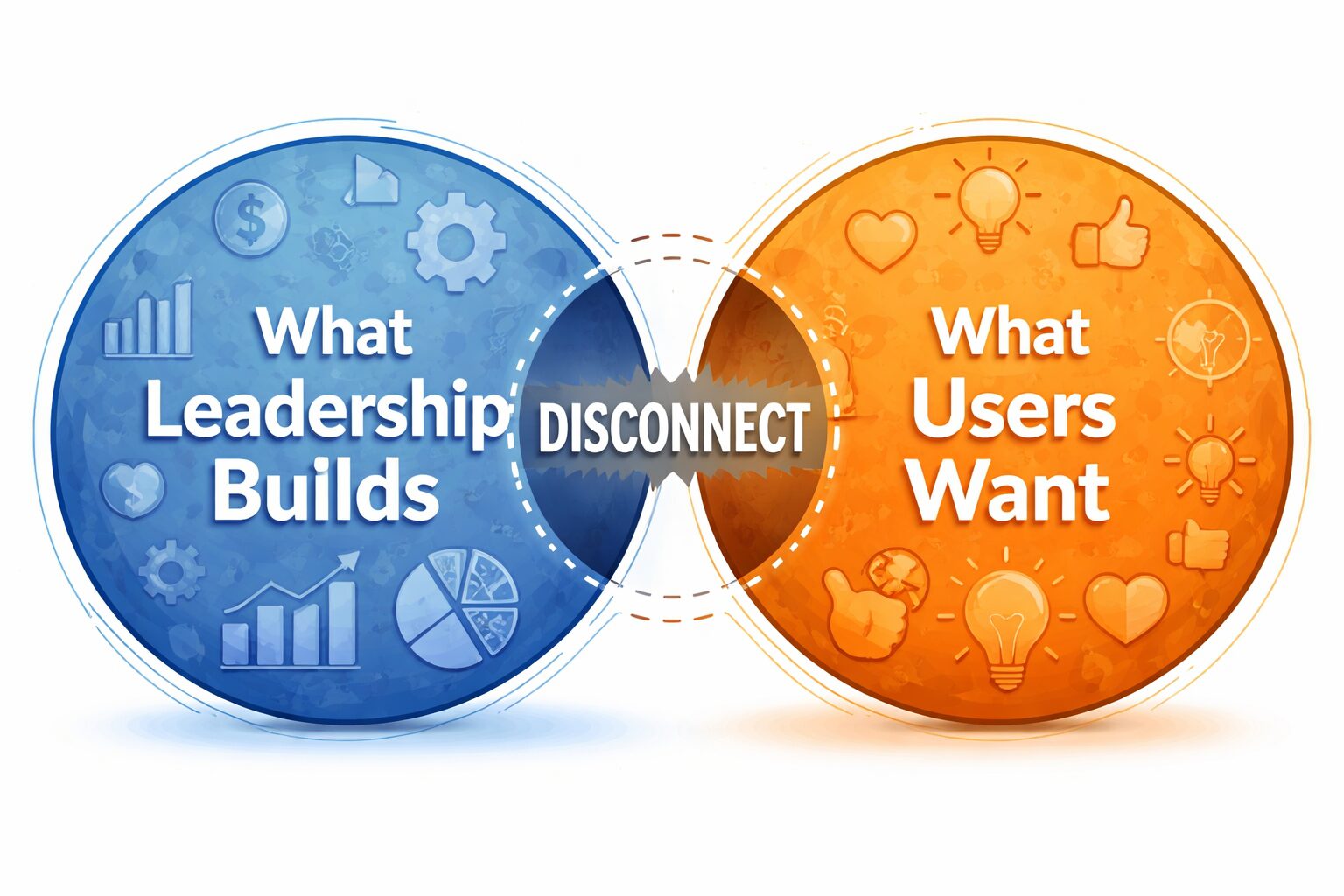
There are multiple reasons behind messaging failures but one of the top ones I have seen is the assumption that an organization message or product will automatically be accepted by an audience. That assumption is where you notice the disconnect and break down. Knowing how to build or provide information is not the same as knowing how people want to use it; this is where these two things get confused.
Google+
In 2011, Google launched Google+ under Larry Page; with the belief that its massive user base would naturally follow it into social media. Leadership not only introduced the platform; they forced adoption by tying Google+ to products people already relied on, including YouTube. The assumption was simple but flawed: if people trust Google tools, they will embrace a Google social network.
That logic ignored how users actually saw Google. Yes, people valued Google for search, email, and productivity, not for social media. Social media at the time was dominated by Facebook, that was what people liked. Forcing adoption did not create interest but frustration. Leadership believed they understood the audience, but in actuality understood their own ecosystem, not the user mindset when it came to another ecosystem.
Zune Vs Apple
A similar mistake played out years earlier with Microsoft and Zune, launched in 2006 under Steve Ballmer. On paper, Zune was competitive and, in some ways, superior to the iPod. It offered features like built in FM Tuner, Gaming, Wireless Sharing. Leadership assumed that better features would naturally win users over.
What they missed was that people did not buy the iPod for features alone. Apple had built a brand around creativity, identity and simplicity. Consumers didn’t just use Apple products; they aligned with them. Microsoft’s audience, on the other hand, trusted the company for operating systems, productivity software, API’s and gaming. Users of those services never said “I wish Microsoft had a MP3 player”. Leadership mistook Apple iPod gaps as a way to take that audience; however, they underestimated Apple emotional connection with their audience. Whatever device was released would have never been able to infiltrate Apple’s audience.
True Focus
The takeaway here is not that Google or Microsoft failed as companies, both remain innovators and industry leaders. The failure was in assuming that every successful market was one they needed to enter and that users would follow simply because they always had before. That mindset overlooks a basic truth: audiences draw clear lines around what they want from each brand.
Effective leadership listens before it builds and it studies why consumers gravitate toward certain items, instead of mimicking competitors or rushing into crowded markets. There are questions that should be asked about the audience you are reaching out to each time to get an understanding of their preference, use, needs and trust.
Listen
Leadership fails when it mistakes confidence for understanding. If you want messaging to land, stop assuming you know your audience and start proving that you have listened.
_________________________________________________________________________________________________________________________
Shaunta Garth is a Strategic Communications & Visibility Architect specializing in digital storytelling, media strategy and public affairs.